
Black Settlers of the Queen’s Bush
Artists Interpretation
We’ve created a mural to honour the legacy of the early Black community of the Queen’s Bush.
Self-Guided Driving Tour
Follow the tour through the heart of the settlement, ending with the magnificent mural on full display.
Queen’s Bush Explorer
Learn about the settlers who cleared the land to build homes, churches and schools.
Just west of Elmira, the lush rolling farmland and picturesque villages of Wallenstein, Hawkesville, Yatton, and Glen Allan sit atop the historic foundation of the Queen’s Bush Settlement, a once-thriving community of Black settlers and their descendants.
This region is the traditional territory of the Chonnonton, Anishinabewaki, Mississauga, Odawa, and Mississaugas of the Credit First Nations. These nations have long maintained deep relationships with the land, establishing villages, hunting and fishing camps, and places of gathering and trade. In agreement with the Haudenosaunee Confederacy, these Indigenous nations committed to sharing the land peacefully under the Dish With One Spoon wampum agreement.
The Chonnonton were among the first recorded peoples to live in this region. Once numbering in the tens of thousands, their population was devastated in the 1600s by waves of disease brought through colonial contact and subsequent conflict, leaving the survivors dispersed and adopted into neighbouring nations. Their story reminds us that this land has always held deep layers of history, resilience, and renewal.
In 1784, the British established the Haldimand Tract, granting a stretch of land 10 kilometres on either side of the Grand River, from its source to its mouth, to the Haudenosaunee in perpetuity, in partial compensation for the loss of their homelands across what is now Upstate New York. The western border of the tract runs through the S-bends near Wallenstein.
In the early 1800s, following four large land sales within the upper Haldimand Tract, the British government began colonizing the land and selling or leasing plots to settlers. Pennsylvania German Mennonite migration soon flourished in what would become Blocks II (Waterloo) and III (Woolwich). After the British abolition of slavery in 1833 and following the 1850 Fugitive Slave Act in the United States, many Black people, both freeborn and formerly enslaved, sought safety and opportunity in Upper Canada. They moved through the Haldimand Tract and established themselves in the vast, unsurveyed region known as the “Queen’s Bush,” with the understanding that through their labour and the value they created, they would one day be able to purchase the land they farmed.
Between 1839 and 1865, the Queen’s Bush Settlement grew into one of the largest Black communities in Upper Canada. It encompassed several hundred farms, connected by simple roadways, and supported churches and two American abolitionist mission schools. The community was intentionally built, rooted in the shared goals of freedom, land ownership, and education. Through determination and collective effort, the community cleared dense forests, built homes, and created a life of dignity and belonging for their families.
Yet, when the government eventually offered the land for sale, many Black settlers were denied the right to purchase their farms due to discriminatory practices and inflated prices imposed by Crown Land Agents. Petitions to secure legal ownership were repeatedly rejected, forcing many to abandon their homes despite years of backbreaking labour.
Discrimination was not the only obstacle. Corruption and financial hardship affected people of all backgrounds. In some parts of Wellington County, land agents were so dishonest that sales were overturned entirely. Much of Peel Township, where the heart of the Queen’s Bush Settlement lay, had been designated as Clergy Reserve land, further complicating ownership and access to affordable grants. The famine years of the early 1850s, coupled with the devastating winter of 1851–1852 and a killing frost the following summer, led to widespread loss of crops and livestock and financial ruin.
By the 1860s, most residents of the Queen’s Bush had been forced to sell their farms or move on. Some joined the Union Army during the American Civil War, and others travelled south in search of family following the Emancipation Proclamation. Many resettled in larger Black communities across Ontario, including Berlin (Kitchener), Buxton, Guelph, Owen Sound, St. Catharines, and Toronto, while others pursued new beginnings in Liberia or Haiti.
Despite these hardships, some families, including the Lawson, Jackson, Miller, and Mallott families, remained in the region and continued to live there into the 20th century. As the number of Black families decreased, many of those who remained intermarried, forming lasting connections across generations. The last known descendant of the Queen’s Bush community to reside in the area was Norman Hisson, who relocated in the mid-1990s.
Today, the story of the Queen’s Bush Settlement stands as a powerful testament to perseverance, self-determination, and community. Against the backdrop of hardship and systemic injustice, its Black settlers built a thriving, self-sustaining society grounded in hope and faith. Their legacy continues to shape the spirit of this land and reminds us that the pursuit of freedom and belonging can leave an enduring mark on history.
Written and edited by: AmyBeth Brubacher, Terre Chartrand, Karen Smart, and Geoff Martin
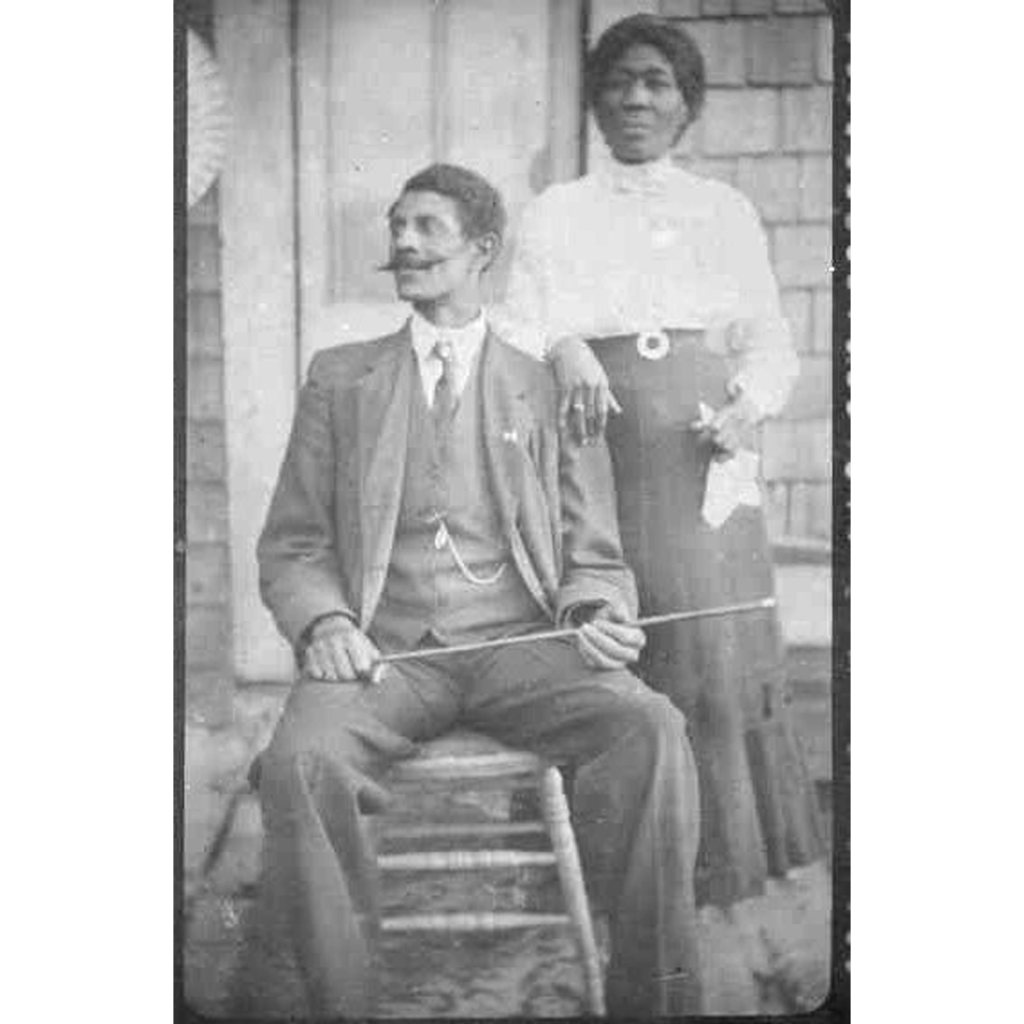
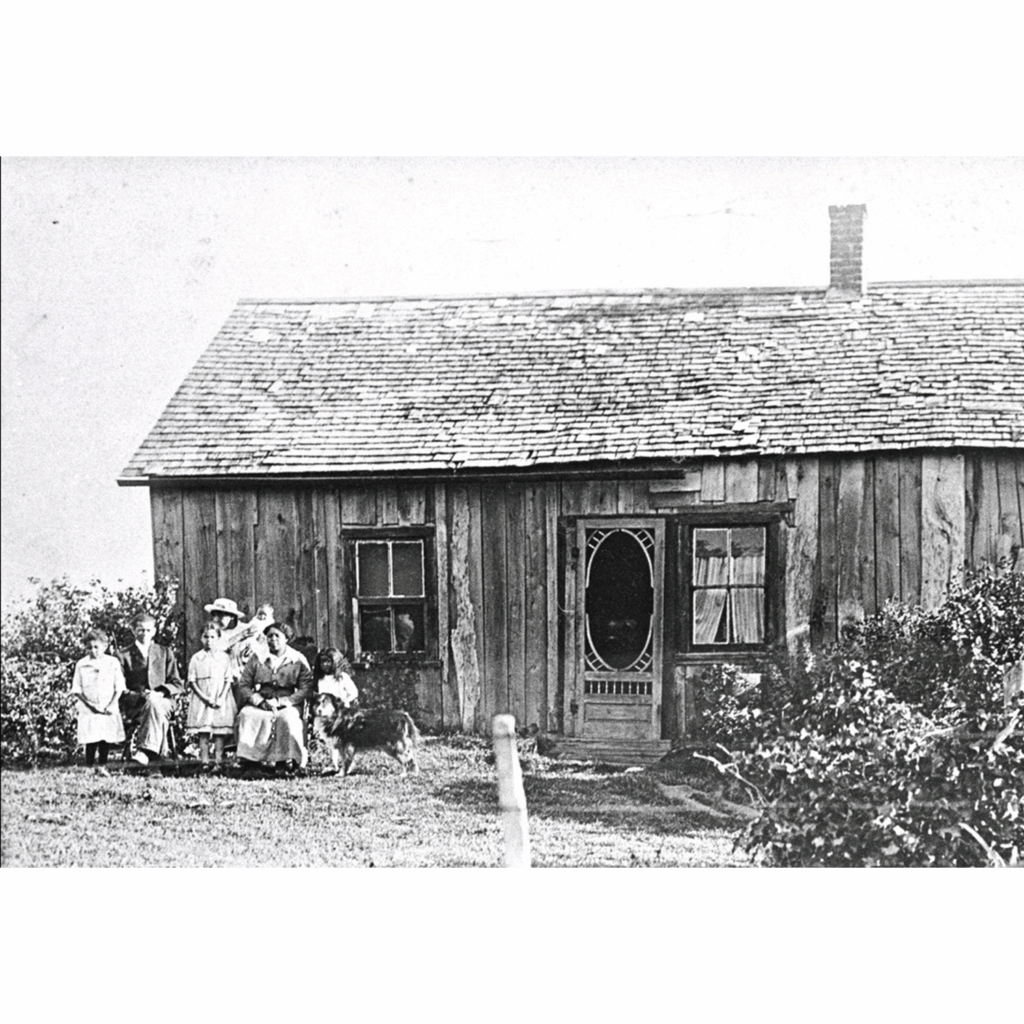
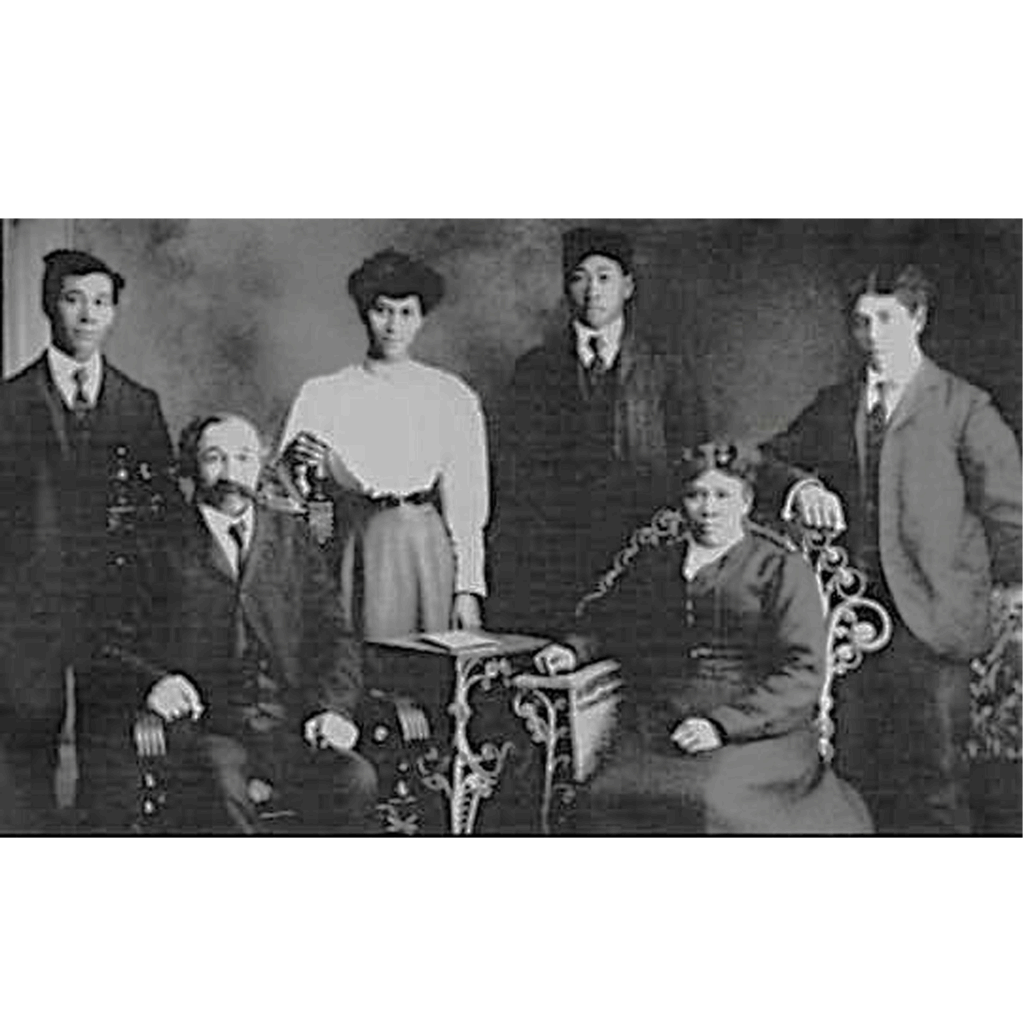
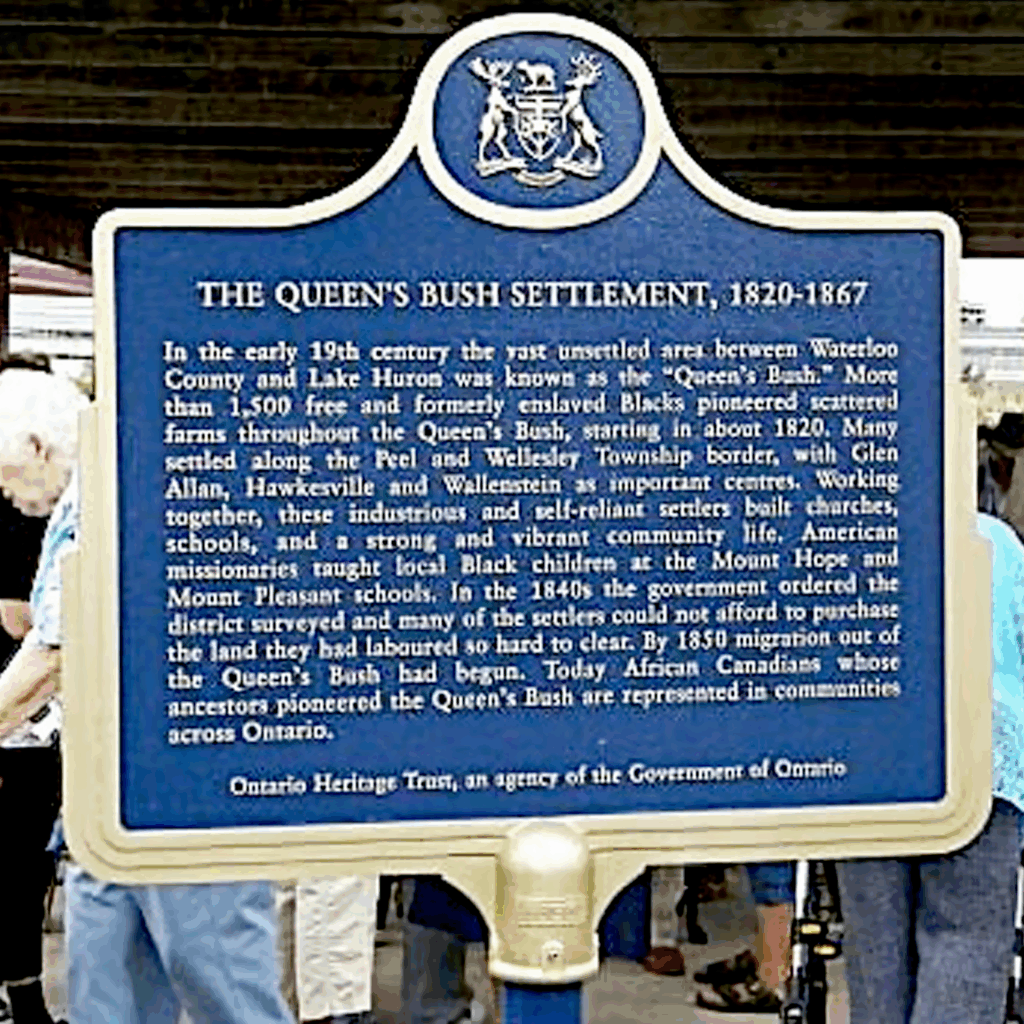
Photos
From left to right:
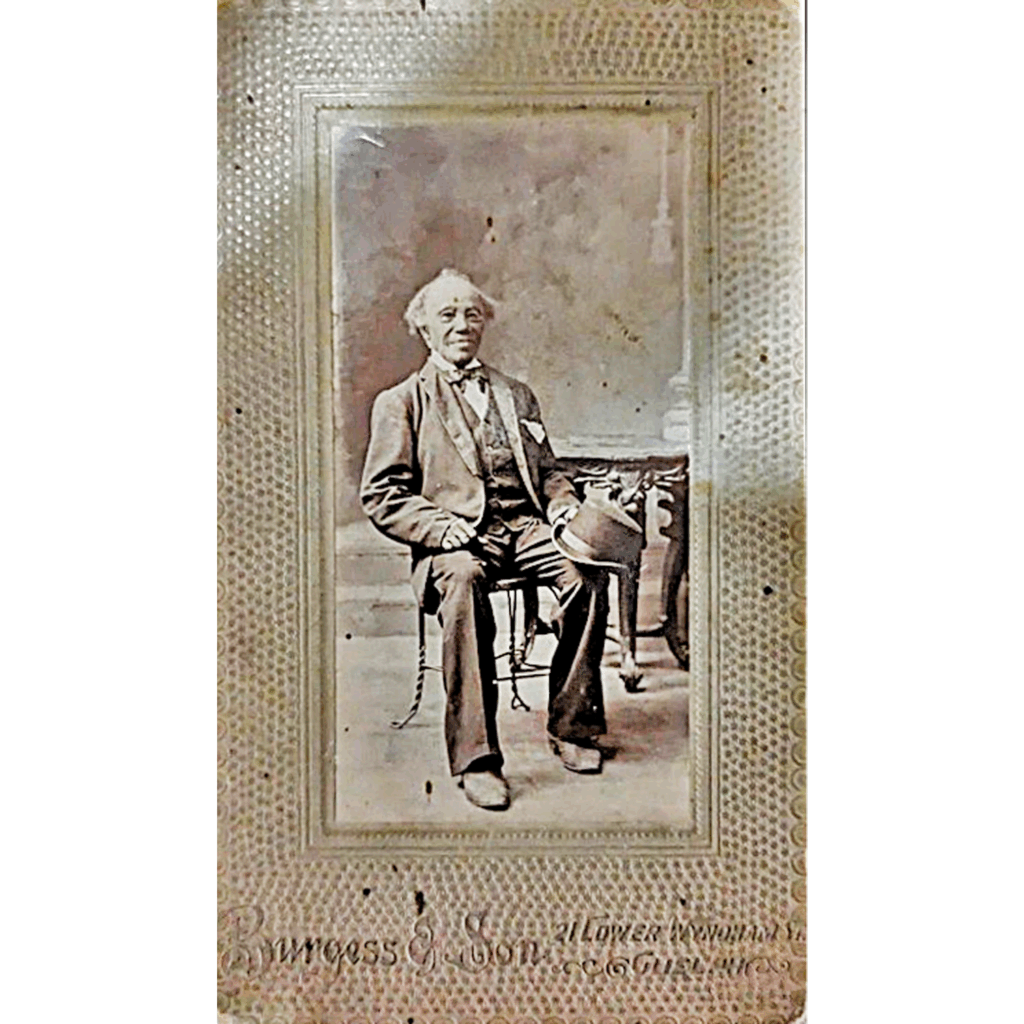
Joseph Cromwell, c.1900, Source: LuAnne Cameron
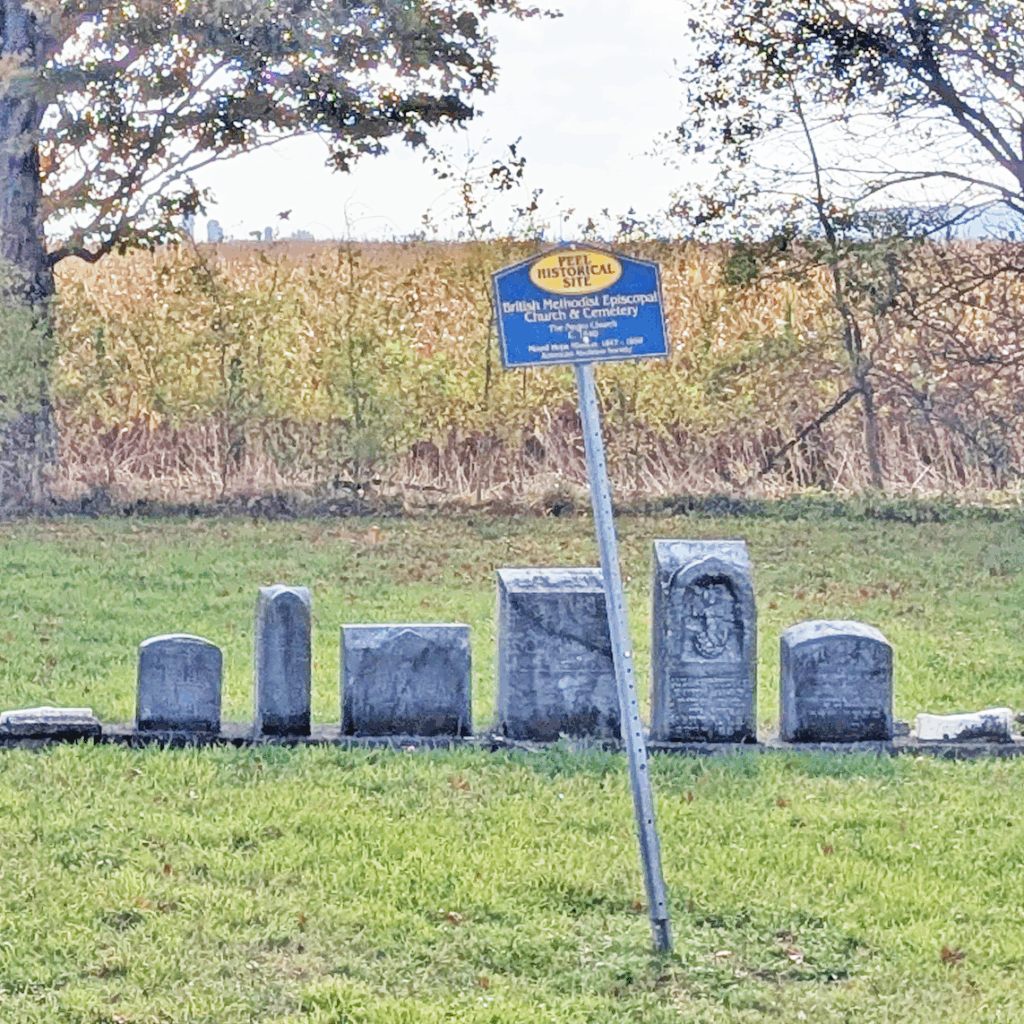
British Methodist Episcopal graveyard, Source: Abby Cooper
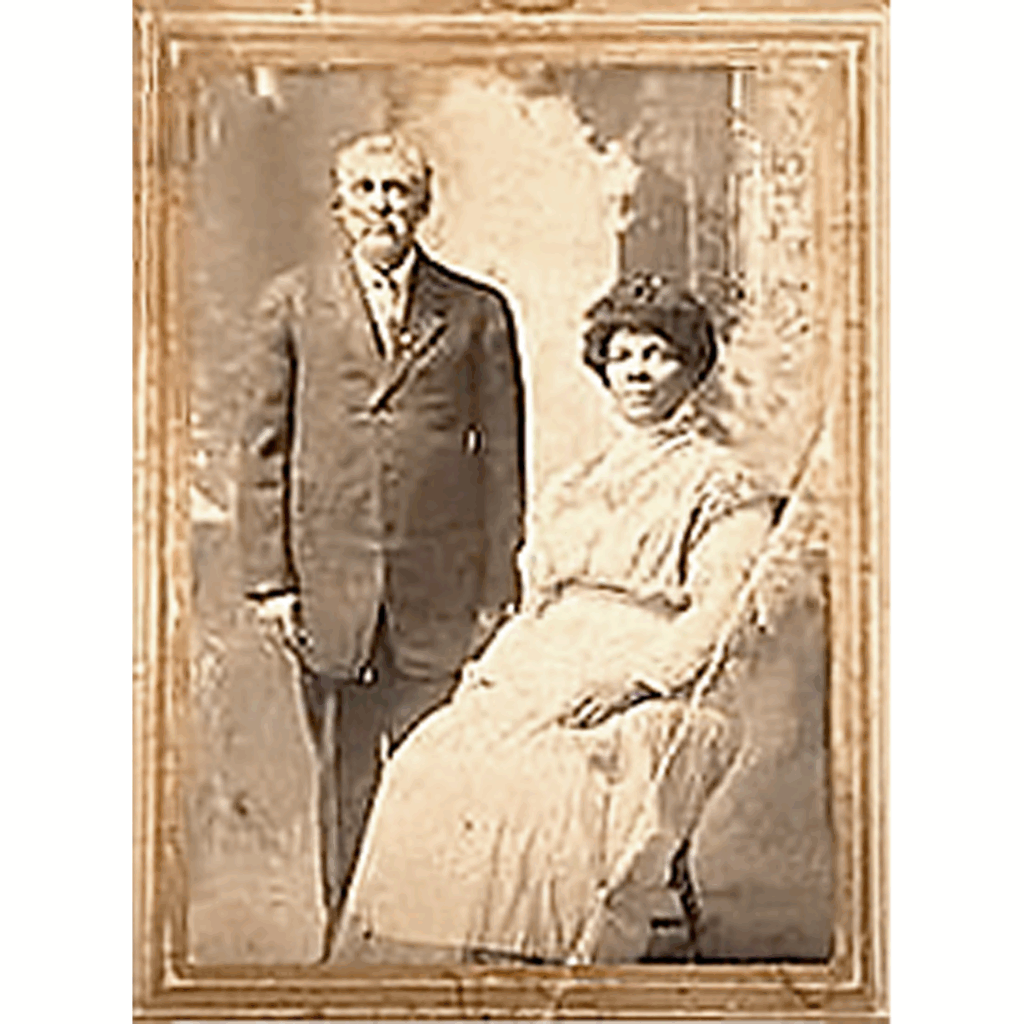
William Charles LeBurtis and his wife, Susan Brown, Date: Unknown, Source: Cheryle Schuknecht Family Tree, Ancestry.ca
William Morton and his wife Lucy Hills Scott, Date: Unknown, Source: Cheryle Schuknecht Family Tree, Ancestry.ca
Family of Edward Hisson and Mabel Lawson, c.1920, Property of Wellington County Museum and Archives
Family of Jehu Miller and Amanda Cromwell, c.1905, Source: Andy Visser
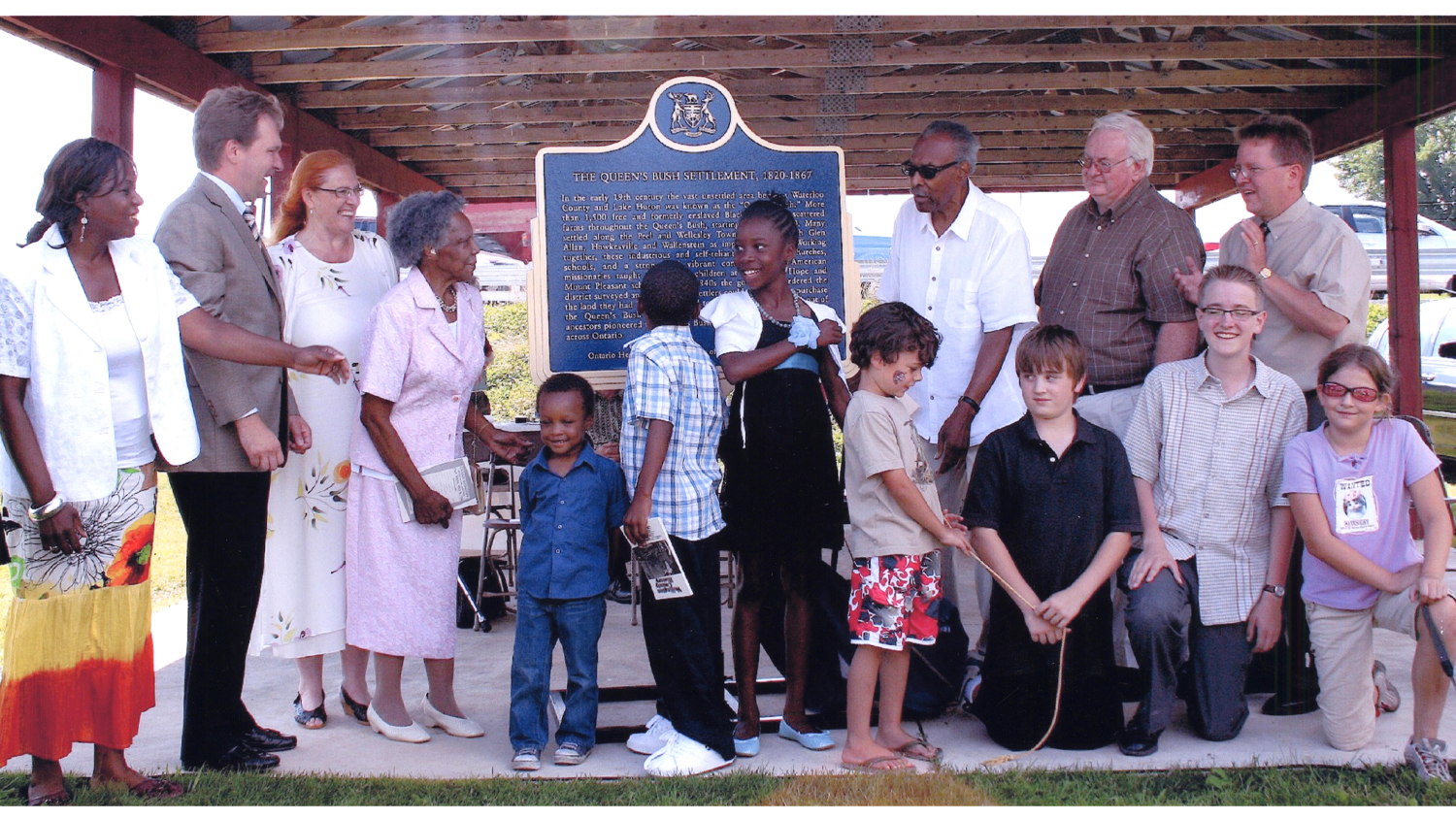
The Queen’s Bush Settlement Plaque, Source: Ian Easterbrook
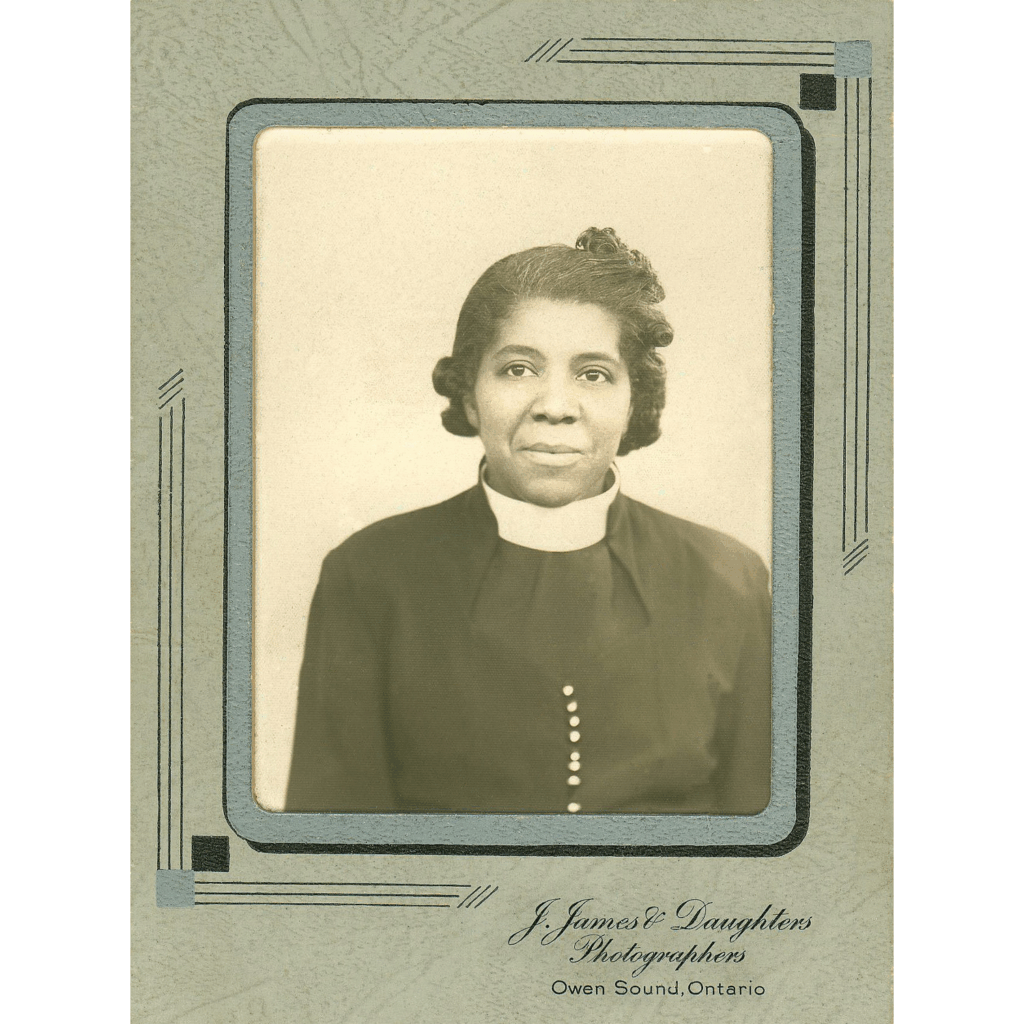
Reverend Adeline Aylestock, 1951, Source: Diana Braithwaite
The Glen Allan unveiling of a plaque honouring the Queen’s Bush Settlement, 2008, Source: Ian Easterbrook
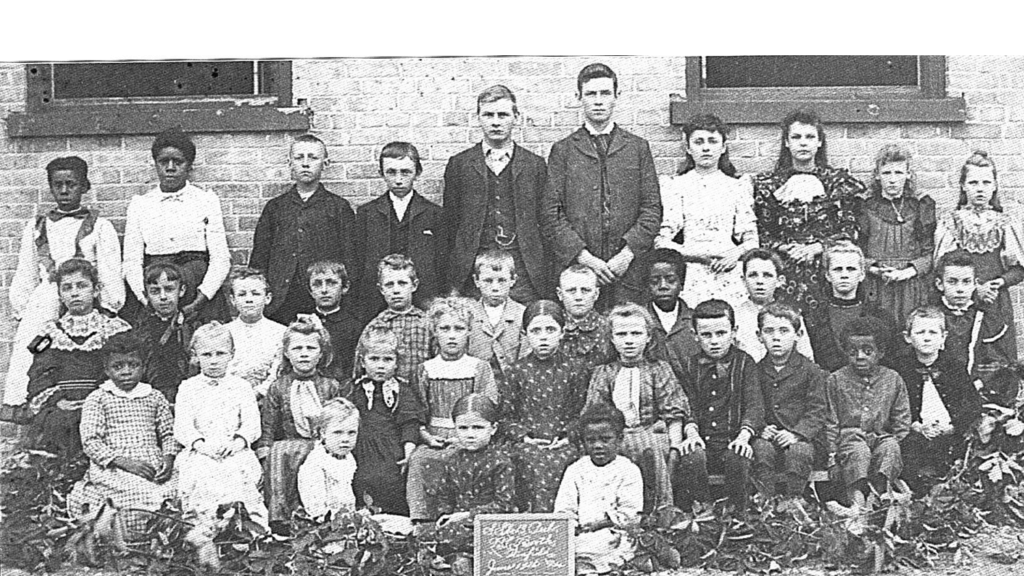
Students of SS#163 Peel Township, 1894, Source: Portraits of Peel; Attiwandaronk to Mapleton
Sources
Braithwaite, Diana, 2023, Rella Black History Foundation.
Brown-Kubisch, Linda, “The Queen’s Bush Settlement: Black Pioneers 1839-1865,” Toronto: Natural Heritage Books, 2004
Martin, Geoff, “Baked Clay,” The Common, 2019
Martin, Geoff, “Slave Days in the Queen’s Bush,” Hamilton Arts and Letters, 2020, Issue 13, no.1
Other Resources
“Mapping Wellington County’s Black Heritage” by Jordan Snobelen – The Wellington Advertiser
“Blood in the Mortar – The British Methodist Episcopal Church of Guelph, Ontario: Faith, Family, Community and Continuity” – Guelph Black Heritage Society
Jerry Prager, Blood in the Mortar: Freedom in Stone, 2011
“Local mapping project highlights Wellington County’s rich Black history” by Jordan Snobelen – The Wellington Advertiser
A north-side view of slavery. The refugee: or, The narratives of fugitive slaves in Canada. Related by themselves, with an account of the history and condition of the colored population of Upper Canada by Drew, Benjamin, 1812-1903, published in 1856
The Forgotten History of Wellington County: Queen’s Bush Settlers and their Legacies by Raphaela Pavlakos
“Anabaptist-Black Interaction in Upper Canada: An Initial Reconnaissance” by Timothy Epp – Journal of Mennonite Studies
“Lot 18 NDR: The Brown Family” by Peter Meyler
Nego Creek – Historical Site Project